
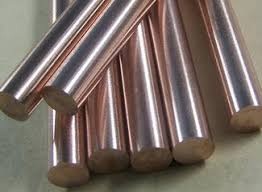
Industries like aerospace, defence, and heavy electrical engineering need materials that can operate under high heat. Standard metals often cannot cope with constant high temperatures; they may bend, lose strength, or suffer reduced electrical performance. In such tough conditions, you need a material that stays steady and reliable. Tungsten copper rods are made for this job. As a composite, they handle heat stress that would damage normal copper or steel. Astec Tubes supplies these rods to demanding industries, and this blog shows why they are vital in high-heat environments and how they help equipment last longer.
What is a Tungsten Copper Rod?
Composition and Structure
- A tungsten copper rod is a composite, not a standard alloy. It combines tungsten (W) and copper (Cu).
- These two metals do not dissolve into each other. Instead, they form a “pseudo-alloy” where the tungsten creates a hard skeleton and the copper fills the gaps.
- Common ratios include 70/30, 75/25, or 80/20. The choice depends on whether you need more heat resistance or better electrical flow.
Manufacturing Process
- Because tungsten and copper melt at very different temperatures, these rods are made with powder metallurgy.
- Tungsten powder is pressed into shape, then heated until the particles stick together. This step is called sintering.
- Then, liquid copper is drawn into the porous tungsten structure through a process called infiltration.
- The final microstructure is very dense. This is why the rods don’t leak or crack easily under pressure.
Key Characteristics
- High melting point: Inherited from the tungsten part of the mix.
- Conductivity: The copper allows heat and electricity to move through the rod efficiently.
- Low thermal expansion: It does not change size much when it gets hot.
- Arc resistance: It handles electrical sparks without eroding quickly.
Unique Properties That Make Tungsten Copper Rods Ideal for High Temperatures
Exceptional Heat Resistance
With a melting point around 3422 °C, tungsten copper rods remain solid even as nearby components glow red, providing the stability required for consistently extreme high-temperature environments.
Superior Thermal Conductivity
Copper conducts heat very well, drawing it away from delicate parts in heated systems. This gives extra heat a way out and helps keep equipment from overheating during long or heavy use.
Low Thermal Expansion
Most metals grow and shrink as temperatures change, which can cause damage and cracks. Tungsten copper hardly changes size, so parts stay properly aligned from 20°C to 1000°C.
High Strength and Durability
These rods are very strong. They don’t wear out quickly from friction or get badly damaged by electrical sparks. Their hardness helps them keep their shape under high heat, so parts last much longer.
Advantages of Using Tungsten Copper Rod in High-Temperature Applications
Using these rods improves how a system works. Because the material doesn’t degrade quickly, the machinery can run at higher speeds or higher power levels without breaking down. This leads to better operational efficiency. You don’t have to stop production as often to replace worn-out parts.
Tungsten copper parts last longer and need less maintenance than cheaper metals. Their higher upfront cost pays off through fewer replacements and lower energy loss in high-power systems.
Key Applications of Tungsten Copper Rods
Electrical and Electronics Industry
- Used in high-voltage switchgear and circuit breakers.
- They work well as electrical contacts that must open and close without welding together from the heat of the arc.
- Used as heat sinks for cooling sensitive electronic parts.
Aerospace and Defence
- These rods are used in rocket engine nozzles where gas temperatures are extremely high.
- They serve as components in heat shields.
- Used in high-temperature structural parts that must stay rigid during flight.
Welding and EDM (Electrical Discharge Machining)
- They are the preferred material for EDM electrodes because they don’t wear down fast while cutting hard metals.
- Used as electrodes for resistance welding, where high pressure and high current are applied simultaneously.
Industrial Furnaces and Heat Treatment
- Components inside high-temperature vacuum furnaces are often made from these rods.
- They can handle the repeated heating and cooling cycles of industrial ovens without warping.
Why Not Use Other Materials?
Tungsten vs Copper Alone
Tungsten is very strong and endures extremely high temperatures, but it is difficult to machine and does not conduct electricity as well as copper. Copper, by contrast, conducts electricity excellently but softens and melts at 1085°C. Together, they form a material that resists melting while still carrying electricity effectively.
Tungsten Copper vs Other Alloys
Other alloys fail one of two tests: they either melt too soon or they offer too much electrical resistance. Tungsten copper provides a specific balance of thermal and electrical properties that is hard to find in other metal combinations. It is more reliable when the environment is extreme.
Factors to Consider When Choosing Tungsten Copper Rods
When choosing these rods, focus on the tungsten–copper ratio. More tungsten (around 80%) gives higher hardness and heat resistance, while more copper improves electrical conductivity. Decide which property matters most for your machine. Check density and hardness, because low density can hide air pockets that weaken the rod. Make sure its thermal conductivity fits your system. A supplier like Astec Tubes can guide you to the right grade for reliable performance.
Quality Standards and Specifications
Manufacturing these rods requires precision. Most industries look for compliance with ASTM B702 or similar ISO standards. These standards ensure the ratio of tungsten to copper is exact and that the infiltration process was done correctly. Testing is usually done to check the hardness, electrical conductivity, and density of the rods. If a rod doesn’t meet these specs, it could crack during use. High-quality manufacturing ensures that every rod in a batch performs the same way.
Why Choose Astec Tubes for Tungsten Copper Rods
Astec Tubes has been in the industry for a long time. We know how to source and supply materials that meet high industrial standards. We make our tungsten copper rods from high-quality raw materials using a tightly controlled process. We offer many sizes and can provide custom rods for special projects. Strict quality checks and certifications show our products are reliable. We also keep prices competitive and maintain a steady supply, so your projects are not delayed.
Future Scope of Tungsten Copper Materials
Demand for these materials is rising as new technologies develop. Electric vehicles need better heat control for fast charging systems and batteries, increasing the need for tungsten copper. Renewable energy systems, like solar power inverters, also need materials that can handle heat and electricity simultaneously. As electronics get smaller and more powerful, the need for efficient heat sinks made from tungsten copper will likely increase. There is also ongoing research into making these alloys even more durable for space exploration.
Conclusion
Astec Tubes supplies tungsten copper rods because they are essential for demanding high-temperature industrial operations. They deliver a unique mix of heat resistance and electrical conductivity that typical metals cannot match. From aerospace parts to electrical contacts and welding electrodes, these rods offer the strength and reliability needed to keep systems running smoothly. Working with a trusted supplier helps you get the right composition and density for your needs. Tungsten copper rods are the smartest choice for industries where parts must work in extreme heat. For your next project, contact Astec Tubes to discuss your needs and get a quote.