
Instrumentation tube fittings are an integral component of pressurized systems that require leak-free fluid transmission. Properly installed fittings are vital to ensure safety and prevent system failures. However, not all tubing fittings are created equal. That’s why we’ve put together this blog post to discuss everything you need to know about instrumentation tube fittings.
What Is Instrumentation Tube Fittings?
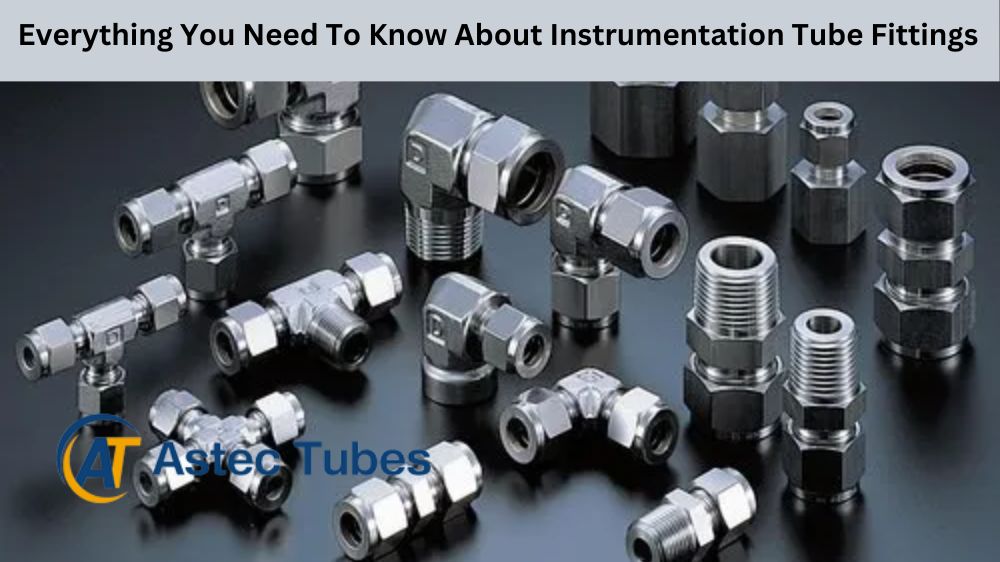
Instrumentation Tube Fittings are speciality fittings designed for use in process control systems. They are used to assemble and connect tubing, valves, transducers and other components of an instrumentation system. The fittings provide a tight, leak-proof seal for secure tubing connection in the most demanding applications. These high-performance tube fittings come with various configurations, such as elbows, unions, tees and cross connectors, allowing flexibility when designing an instrumentation system.
Types Of Instrumentation Tube Fittings
There are many instrumentation tube fittings, each with advantages and applications. Compression, bite-type, flared, and mechanical grip fittings are the most common. Compression fittings are easy to install and have a high sealing capability. Bite-type fittings are used in high-pressure applications where vibration and shock are present. Flared fittings are commonly used in automotive and refrigeration applications. Mechanical grip fittings are ideal for heavy-duty applications that require a higher degree of strength.
Material Selection
Material selection is crucial when it comes to instrumentation tube fittings. The right material will ensure that the fitting can withstand the rigours of its environment and that it will not corrode or contaminate the fluid being transported. Common materials include brass, stainless steel, and carbon steel. Brass fittings are ideal for low-pressure applications or water-based systems. Stainless steel fittings are excellent for high-temperature and corrosive environments. Carbon steel is frequently used in heavy-duty applications.
Proper Installation
Proper installation of instrumentation tube fittings is critical to ensuring a leak-free system. Failure to correctly install the fitting can lead to equipment damage, downtime, and even injury. Critical considerations in proper installation include the correct tool, the appropriate torque setting, and the right alignment. To further minimize the likelihood of improper installation, contractors should always work with trained installers and use quality tools.
Maintenance And Repair
The frequency and quality of maintenance and repair affect the service life of instrumentation tube fittings. Regular inspection, cleaning, and replacement of fittings that show signs of wear or damage can help prevent unplanned downtime and contamination of the transported fluid. When performing repair or maintenance work on fluid systems, it is always recommended to follow established safety procedures and isolate the system to prevent any released fluids from causing damage to equipment, workers, or the environment.
Compliance And Certification
Lastly, contractors should ensure that all instrumentation tube fittings used in the system comply with industry standards such as ASME B31, API 570, etc. Certifications such as NSF/ANSI 61 and WRAS (Water Regulation Advisory Scheme) are commonly recognized, depending on the application and the local regulations. Compliance with these standards will ensure the fittings are safe, reliable, and conform to applicable quality and safety regulations.
Conclusion
In conclusion, choosing the right instrumentation tube fitting requires careful consideration of application, material, installation, maintenance, and compliance requirements. Proper selection, installation, and maintenance of fittings will ensure the longevity and safety of the system, protect the fluid being transported, and avoid costly downtime and equipment damage. Be sure to work with qualified installers, use high-quality tools, and consult an experienced supplier to help you properly select and install the fittings for your unique application.